
Its weapon: lower costs, or a pile of old bookings?
People Express started in 1981 with three planes, and its founder remembered 19-dollar flights to Boston. Its costs were the lowest of any big airline. American Airlines couldn't fly that cheaply, but it had years of bookings in its computer, SABRE.
An empty seat earns nothing once the door closes. So for each flight, American asked: how many people will book late and pay full fare? Those seats stayed at full price. The rest went cheap, with strings: buy a month ahead, stay over a Saturday. And it made that guess millions of times a year, so one flight's miss cancelled out on the next.
In January 1985 those fares came out cheaper than People Express, but only on seats that would have flown empty. By 1986 People Express was losing tens of millions a quarter, and it was sold; fast growth and a costly takeover hurt too.
An airline spreads one forecast over millions of seats. You have one trip, and one guess.
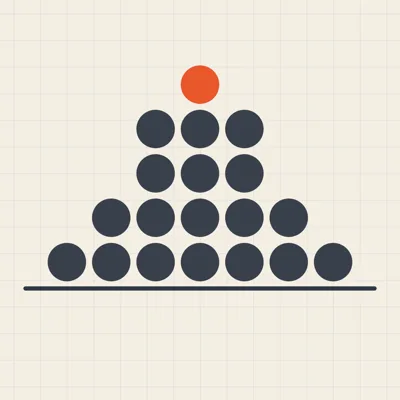
The seat map, the thousand flights and their misses are our illustration and simulation.
So, which did you pick?
Sources: J. I. McGill and G. J. van Ryzin, "Revenue Management: Research Overview and Prospects", Transportation Science, 1999; B. C. Smith, J. F. Leimkuhler and R. M. Darrow, "Yield Management at American Airlines", Interfaces, 1992; Christian Science Monitor, June, July and October 1986; Robert Cross, Revenue Management, 1997.
Sounds: our own, made in code (earshot, CC0).