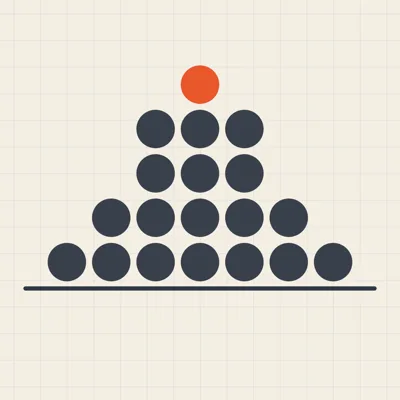
Does the seller at the very top make the most money, or the least?
In 2000, two MIT economists, Glenn Ellison and Sara Fisher Ellison, tracked that list for a year, with one shop's real sales. The pressure was brutal: slip from first place to seventh, and five of every six sales of that module were gone. At that pressure, theory says a seller keeps only 3 to 6 cents of each dollar above cost.
So the sellers fought back with the cheapest thing that could still top the list: memory with no warranty, chips with no fan. The real price came after the click: upgrades, testing, faster shipping, some boxes already ticked. The bait earned about nothing; the upgrades earned 16 to 27 percent.
In their worked example, the top spot sold the most bait and lost money. Fifth place made the most. Economists call it obfuscation: when search gets easy, sellers put the friction back. And the list itself is for sale: in 2012 Google Shopping switched to paid listings.
The price list is the real one from 12 October 2000; the sales bars and the profit figures are the authors' predictions for one site on one day. The checkout page is our drawing.
So, which did you pick?
Sources: Glenn Ellison and Sara Fisher Ellison, "Search, Obfuscation, and Price Elasticities on the Internet", NBER Working Paper 10570, 2004, and Econometrica, 2009; Glenn Ellison, interview, TNIT Newsletter, October 2009; Google AdWords blog, 31 May 2012.
Sounds: our own, made in code (earshot, CC0).