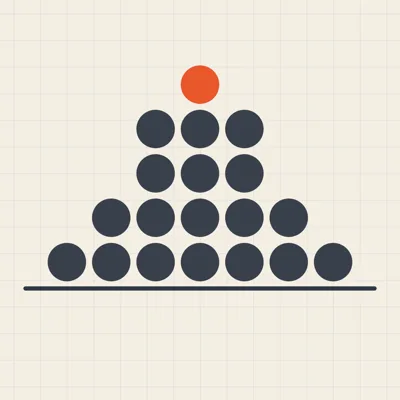

The obvious offer is the average. In 1966 a young Berkeley economist, George Akerlof, followed that offer one step further. Two journals called his paper trivial; a third, as he remembered it, said that if it were right, economics would be different. It came out in 1970, and in 2001 it won him a share of the Nobel prize.
The step: the owner of a good car knows it's good, and won't sell it for the average. So the good cars leave and only lemons are left. With every shade of car in between, the bad drives out the not-so-bad, then the medium, then the good. That's why we have warranties, brands, dealers and certificates: ways to make a good car prove it's good.
The dollar figures are our illustration of Akerlof's model (his paper has none), and the round-by-round chart is our animation of it.
So, what did you offer?
Sources: George A. Akerlof, "The Market for 'Lemons': Quality Uncertainty and the Market Mechanism", Quarterly Journal of Economics 84(3), 1970; George A. Akerlof, "Writing the 'The Market for Lemons'", NobelPrize.org, 2003; Royal Swedish Academy of Sciences, press release, 10 October 2001.
Sounds: our own, made in code (earshot, CC0).