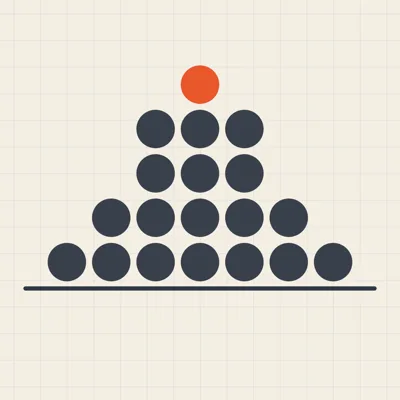
How many guests does it win?
For years, economists expected honesty to win: tell the customers, take the business. In 2006 Xavier Gabaix and David Laibson worked it through, in round numbers. A room costs Hotel A $100, and it advertises $80. The average guest adds $20 for parking, phone calls and room service. So the cheap room is paid for by the guests who never look at the extras. Real banks have that shape: at large US banks, about 8 percent of accounts paid nearly three quarters of all overdraft fees.
Hotel B charges $100, makes every extra free, and tells everyone. Now everyone knows, and the savvy guests book Hotel A anyway: their own phone, a taxi, no room service, about $10 of hassle. $80 plus $10 is $90, and $90 beats $100. Nobody moves to the honest hotel.
They called it the curse of debiasing: a customer who learns the trick is worth less to every firm, so nobody teaches it. Money paid and never used works in the same direction: in fiscal 2024 Starbucks booked $207.6 million of card balances it expects never to be spent.
The hotels and their numbers are the authors' thought experiment, drawn as Hotel A and Hotel B. The overdraft figures show who pays the fees, not where the money goes.
So, how many did you guess?
Sources: Xavier Gabaix and David Laibson, "Shrouded Attributes, Consumer Myopia, and Information Suppression in Competitive Markets", Quarterly Journal of Economics, 2006; Consumer Financial Protection Bureau, "Data Point: Checking account overdraft", 2014; Starbucks, Form 10-K, fiscal 2024.
Sounds: our own, made in code (earshot, CC0).