In fall 2002, researchers asked 750 people in five cities. In Amsterdam, Berlin, Milan and Athens the favourite answer was "it rains 30% of the time"; others said 30% of the area. A woman in Berlin said 30 of 100 clouds would be black.
The real answer is older. In 1919, farmers in Roswell, New Mexico kept asking the Weather Bureau's Cleve Hallenbeck one question: what are the chances of rain? He answered with a number, and he kept score. On the 18 days he said about 30%, it rained on 6. One in three.
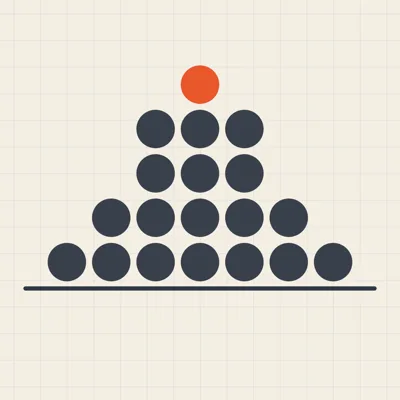
That's what the number means: of all the days a forecaster says 30%, about three in ten get wet. Not 30% of the day, not 30% of the map. In the US it means at least a hundredth of an inch at your spot in that time window. Today forecast centres run tomorrow dozens of times (ECMWF runs 51) and count the wet versions, then calibrate against real rain. So if you got wet on a 30% day, the forecast wasn't wrong. You were one of the three.
City shares are read from the 2005 paper's chart. The 51 clouds are an illustration.
Did you take the umbrella?
Sources: Cleve Hallenbeck, "Forecasting Precipitation in Percentages of Probability", Monthly Weather Review 48(11), 1920; Gigerenzer, Hertwig, van den Broek, Fasolo and Katsikopoulos, "A 30% Chance of Rain Tomorrow", Risk Analysis 25(3), 2005; National Weather Service, Probability of Precipitation definitions; ECMWF ensemble documentation.
Sounds: Freesound, CC0 (magnus1906, brunoboselli, felix.blume, deraj); Apple iMovie sound effects.